

Saidu Sharif
Discover Saidu Sharif, the historic administrative heart of Swat Valley, where Buddhist heritage, royal history, Pashtoon culture and the beauty of northern Pakistan come together.

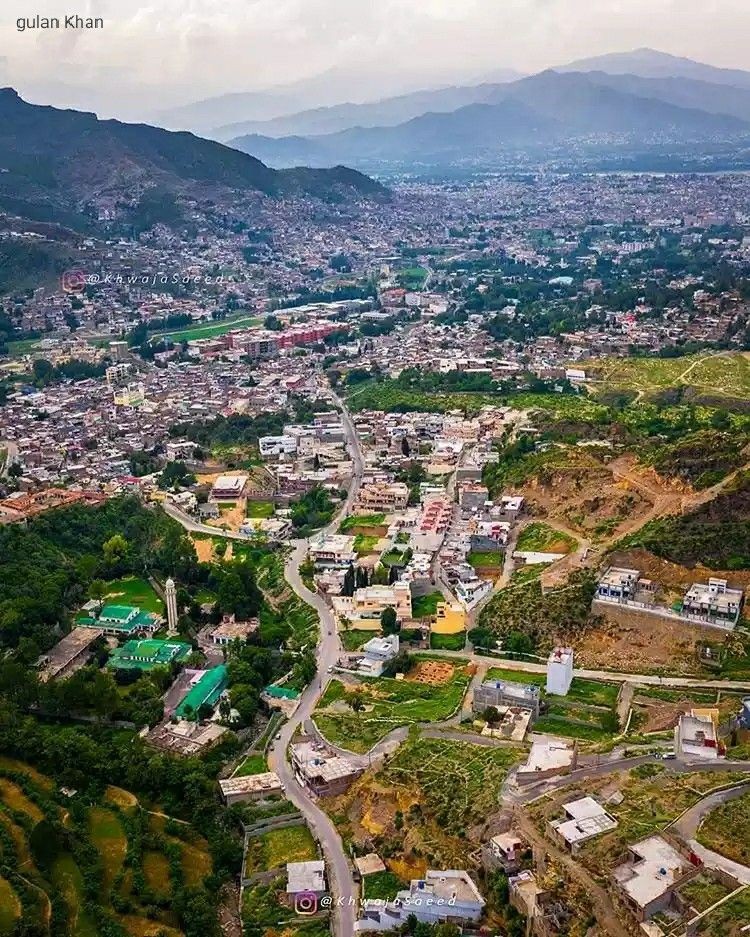
Explore the Historic Heart of Swat Valley
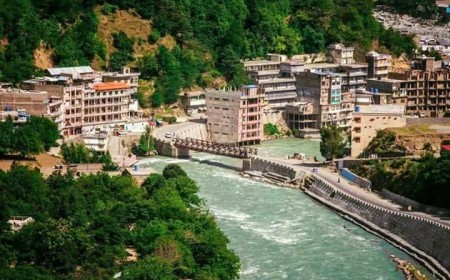
In the heart of the magnificent Swat Valley lies Saidu Sharif, a historic town that reflects the region's rich cultural heritage, fascinating past and enduring connection with the people of northern Pakistan. While Swat is widely celebrated for its emerald-green valleys, snow-capped mountains and crystal-clear rivers, Saidu Sharif offers visitors something equally captivating: a journey through centuries of history and civilization.
Situated close to Mingora, Saidu Sharif serves as an important administrative and cultural centre of Swat. Its distinctive character comes from the remarkable combination of archaeological heritage, the legacy of the former Swat State, traditional Pashtoon hospitality and the natural beauty that surrounds the region.
For travellers who want to understand Swat beyond its famous tourist resorts, Saidu Sharif is an essential destination.
A Town Shaped by History
Saidu Sharif holds an important place in the modern history of Swat. During the era of the former Swat State, the town became a significant centre of administration and governance under the ruling Miangul dynasty.
The history of the region stretches much further back. Swat was once an important centre of Buddhist civilization, attracting monks, scholars and travellers. Archaeological remains throughout the valley reveal the influence of ancient Buddhist traditions and the region's historic connections with wider cultural networks across South and Central Asia.
This historical depth makes Saidu Sharif particularly appealing to visitors interested in the stories that shaped Pakistan's northern regions.
Saidu Baba The Spiritual Figure Behind Saidu Sharif
Saidu Sharif takes its name from Saidu Baba, widely known as Akhund Abdul Ghaffur, a respected religious and spiritual leader whose influence played a significant role in the history of Swat during the nineteenth century.
Born in the early nineteenth century, Saidu Baba became renowned for his religious scholarship, spiritual leadership and influence among the local Pashtoon communities. His reputation attracted followers from across the region, and he became an important figure in the social and political life of Swat.
Saidu Baba established his centre in the area that subsequently became known as Saidu Sharif. His influence helped shape the region's historical identity, and his legacy remains closely connected with the town's name and heritage.
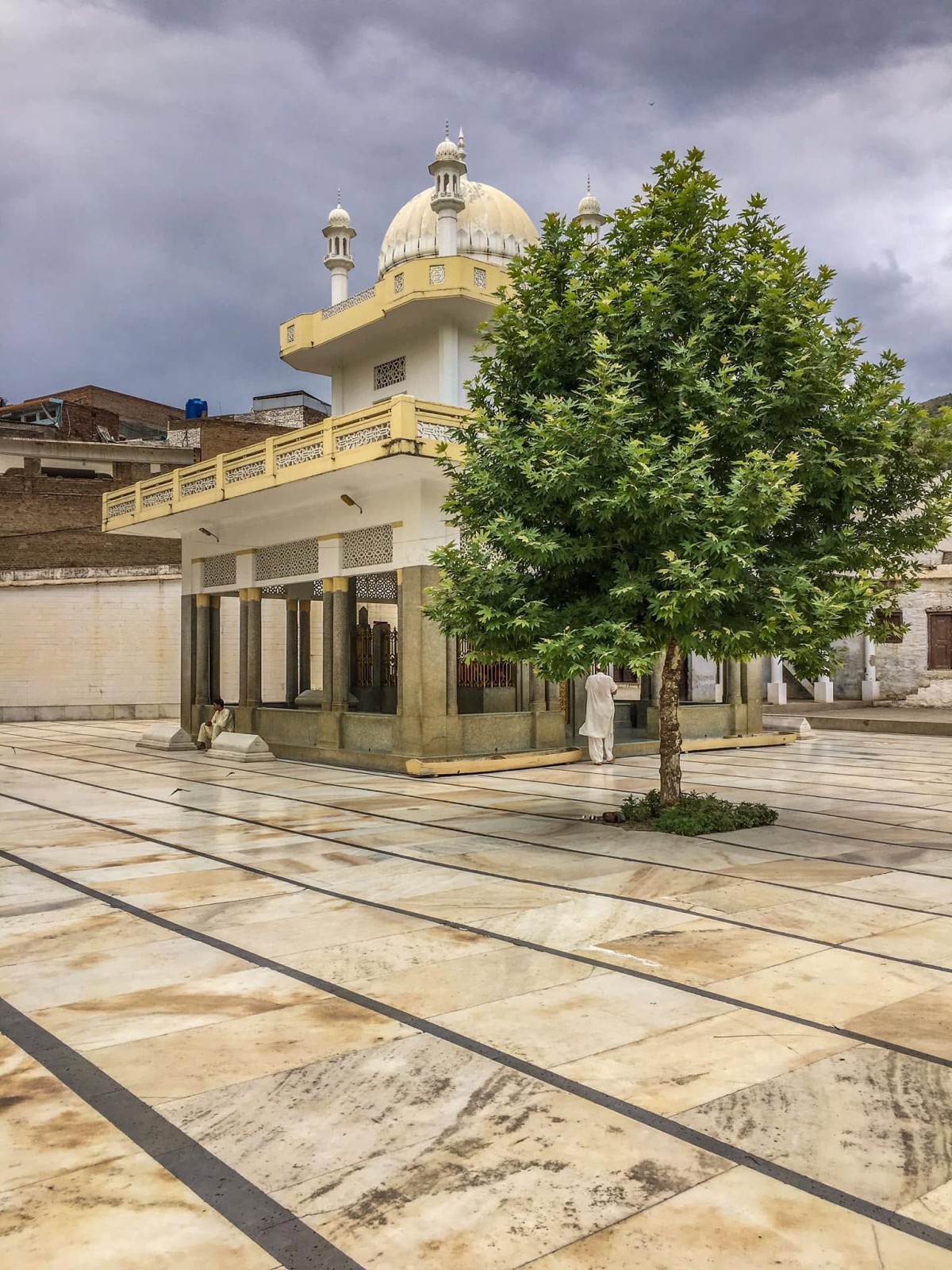
He is also associated with the historical developments that preceded the establishment of the former Swat State in 1917. His life and influence form an important chapter in understanding the relationship between religious leadership, Pashtoon society and the political history of Swat.
Today, Saidu Baba is remembered as a significant figure in Swat's history. His legacy adds spiritual and historical depth to Saidu Sharif, making the town an important destination for visitors interested in the region's heritage and traditions.
Swat Museum: A Journey into the Past
One of the most notable cultural attractions in the area is the Swat Museum. The museum preserves and presents archaeological discoveries from the region, including objects associated with ancient Gandharan and Buddhist traditions.
Visitors can explore sculptures, historical artefacts and archaeological collections that offer insight into the artistic achievements and religious life of earlier civilizations.
A visit to the museum adds an educational dimension to a trip through Swat. It helps travellers understand that the valley is not only a destination of natural beauty but also a place of considerable historical and cultural importance.
Butkara Stupa: Discovering Swat's Buddhist Heritage
Near Saidu Sharif stands Butkara Stupa, one of the important archaeological sites associated with the Buddhist history of Swat.
The site contains the remains of an ancient Buddhist religious complex and provides evidence of the area's long-standing role in the development and spread of Buddhist culture.
For history enthusiasts, photographers and cultural travellers, Butkara offers a fascinating opportunity to explore the historical layers of Swat. Its archaeological significance also makes the surrounding area an important part of Pakistan's wider heritage tourism landscape.
Visitors should respect the archaeological site, follow local guidance and avoid disturbing historic structures or artefacts.
The Legacy of the Former Swat State
Saidu Sharif is closely associated with the legacy of the former Swat State and its rulers, particularly the Miangul dynasty.
The former state developed its own administrative institutions and left a lasting mark on the region's political and social history. The legacy of this period remains an important part of local identity and historical memory.
For visitors, learning about the former Swat State provides valuable context for understanding the development of present-day Swat District and the role Saidu Sharif continues to play in regional affairs.
Pashtoon Culture and Hospitality
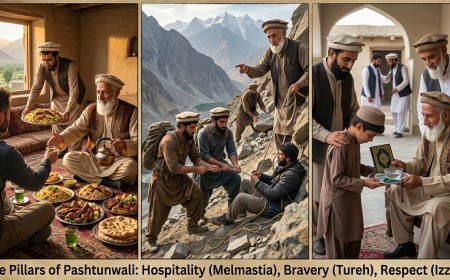
The identity of Saidu Sharif is inseparable from the traditions of the Pashtoon people. Their language, customs, family traditions, cuisine and hospitality contribute to the distinctive character of Swat.
Visitors can experience the region's cultural atmosphere through its markets, local food, everyday community life and interactions with residents.
Traditional Pashtoon hospitality places great value on welcoming guests with generosity and respect. Travellers who approach local customs with courtesy can gain a deeper appreciation of the people and traditions that make Swat special.
Local cuisine, including traditional meat dishes, fresh bread and regional specialties, offers another way to experience the valley's cultural heritage.
Saidu Sharif and Mingora: Two Connected Destinations
Saidu Sharif and Mingora are closely connected urban centres and are often explored together by visitors.
While Mingora is known for its commercial activity, shopping areas and access to the wider valley, Saidu Sharif offers a more direct introduction to Swat's administrative history, archaeological heritage and cultural institutions.
Exploring both places allows travellers to experience different dimensions of local life. Visitors can discover historical attractions, enjoy regional food, explore local markets and use the area as a starting point for journeys to other destinations across Swat.
The Natural Beauty Surrounding Saidu Sharif
Although Saidu Sharif is primarily recognised for its historical and administrative importance, the wider landscape of Swat adds considerable appeal to a visit.
The surrounding region features green hills, mountain scenery, fertile land and the distinctive natural environment of the Swat Valley. Seasonal changes bring their own beauty, from fresh greenery in spring and summer to autumn colours and snow-covered landscapes in colder months.
Travellers staying in Saidu Sharif can also plan excursions towards destinations such as Bahrain, Kalam and Malam Jabba, depending on the season, road conditions and available time.
These journeys reveal why Swat is often regarded as one of Pakistan's most attractive destinations for nature and culture tourism.
Best Time to Visit Saidu Sharif
Saidu Sharif can be explored throughout much of the year, although the experience varies by season.
Spring (March–May): A pleasant period for sightseeing, exploring cultural attractions and enjoying the valley's fresh greenery.
Summer (June–August): A popular season for exploring Swat and combining historical visits with excursions to the surrounding mountain destinations.
Autumn (September–November): A rewarding time for photography, with changing foliage and comfortable conditions on many days.
Winter (December–February): A quieter season that can bring cold weather and occasional snowfall in the wider region. Travellers should check local weather and road conditions before making excursions.
For most visitors, spring and autumn are appealing choices for combining cultural exploration with outdoor sightseeing.
How to Reach Saidu Sharif
Saidu Sharif is accessible by road through Swat's main transport connections in Khyber Pakhtunkhwa. Travellers commonly reach the area via the route connecting the region with Mardan and the wider Peshawar area.
Mingora is immediately nearby, making it convenient to arrange accommodation, transport and local sightseeing around both towns.
Travel times depend on the starting point, traffic, road conditions and the season. Visitors travelling from other cities should check their route before departure and confirm local conditions, particularly during winter or periods of heavy rainfall.
Travel Tips for Visitors
- Allow enough time to explore the museum and nearby archaeological attractions.
- Consider visiting Saidu Sharif and Mingora together in one sightseeing plan.
- Dress comfortably and respectfully, keeping local customs in mind.
- Ask permission before photographing people or private property.
- Follow conservation rules at archaeological sites.
- Check opening arrangements for museums and other attractions before visiting.
- Keep additional time available if you plan to travel onwards to Kalam, Bahrain or other mountain destinations.
Why Saidu Sharif Deserves a Place on Your Swat Itinerary
Saidu Sharif offers a different perspective on Swat Valley. It introduces visitors to the history, heritage and cultural identity behind the region's celebrated natural landscapes.
From the archaeological significance of Butkara Stupa to the collections of the Swat Museum and the legacy of the former Swat State, the town provides meaningful experiences for history lovers, families, students and curious travellers.
A journey through Swat becomes more rewarding when it includes not only the valleys and mountains but also the communities and historic places that give the region its identity.
Discover Saidu Sharif with SwatValley.com explore the history, embrace the culture and experience the heart of Swat, a paradise on earth.
Frequently Asked Questions
What's Your Reaction?
 Like
0
Like
0
 Dislike
0
Dislike
0
 Love
0
Love
0
 Funny
0
Funny
0
 Wow
0
Wow
0
 Sad
0
Sad
0
 Angry
0
Angry
0




Comments (0)